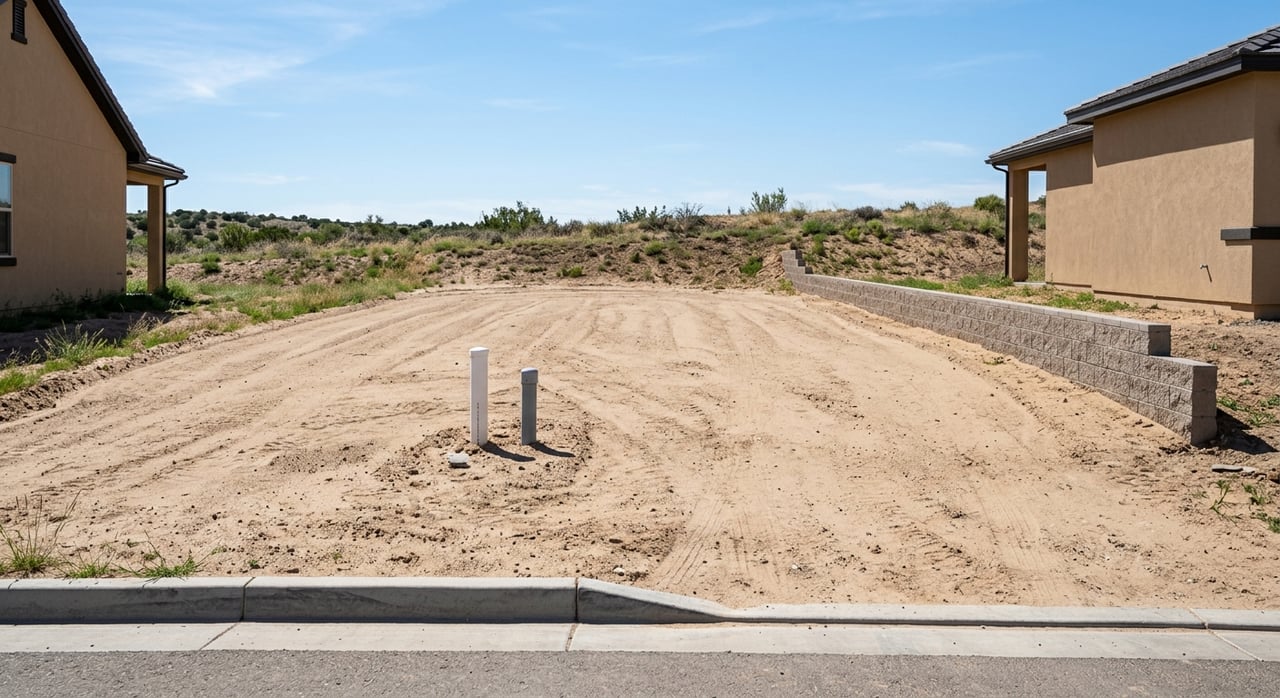
Selling land in Hesperia can feel simple at first. It is just a vacant parcel, right? In reality, buyers usually care less about what the land looks like today and more about what they may be able to do with it next. If you want a smoother sale, stronger pricing, and fewer surprises in escrow, it helps to prepare for the questions that matter most. Let’s walk through what selling land in Hesperia usually looks like from the first call to closing.
Why Hesperia land sales work differently
Selling a house and selling land are not the same process. With land, buyers often focus on zoning, access, setbacks, easements, utility availability, and whether the parcel appears workable for a future plan.
In Hesperia, the Planning Department administers the General Plan, Development Code, and the Main Street and Freeway Corridor Specific Plan. The city also coordinates with Building & Safety, Fire, and Engineering to help confirm whether development can meet infrastructure and other local requirements. That means your parcel is often marketed as a feasibility opportunity, not a finished product.
That difference affects pricing too. A clean, well-documented lot with clear zoning and service information can be easier to market than a parcel with unanswered questions, even if both have similar acreage.
What to gather before the first call
The best land sales usually start with solid paperwork. If you can pull together the right information early, you can answer buyer questions faster and avoid delays later.
Here are the key items to collect before you speak with an agent or go live on the market:
- APN
- Legal description
- Proof of ownership
- Most recent property tax bill
- Recorded deed or title documents
- Utility paperwork, if available
- Water or sewer availability information, if available
- Zoning confirmation or zoning printout
- Notes about setbacks or easements
- Any parcel map, aerial, subdivision documents, or CC&Rs that apply
One important detail is that the APN and legal description are not the same thing. San Bernardino County notes that the legal description is needed for chain-of-title research, while ownership research is typically tracked by APN or grantor and grantee records rather than street address.
Why ownership verification matters early
Vacant land can be a target for fraud. The California Department of Real Estate has warned that scammers often target mortgage-free lots, push below-market pricing, avoid face-to-face contact, and rush cash closings.
That is why the first conversation should include identity verification. A recent tax bill or utility bill, along with government ID and a direct meeting in person or by video, can help confirm that the seller is the true owner before the listing moves forward.
For real owners, this step protects your property and your proceeds. It also helps escrow and title work move more smoothly once a buyer is in place.
Check zoning and land-use basics first
Before pricing your parcel, it helps to know how the city classifies it. In Hesperia, zoning can be checked through the city’s Public Viewer, and the Planning Division handles land-use actions.
This is one of the biggest steps in setting buyer expectations. If a buyer asks what can be built, whether a conditional use may be needed, or whether the parcel falls under a specific plan area, the answer should come from the city’s local rules and review process.
You should also know that setback restrictions and easements can be lot-specific. Two parcels in the same general area may not offer the same usable building area, so broad assumptions can create problems during due diligence.
Understand utility and service availability
Utility questions come up early in almost every land sale. Buyers want to know whether water and sewer are available and whether any added work may be required before building.
In Hesperia, the city’s water and sewer availability form is only a notice about service availability. It is not a building permit. The form also notes that line extensions or other improvements may be required at the owner’s expense.
If sewer is not available on smaller parcels, Lahontan septic approval may be required before water service. For many buyers, this can affect cost, timeline, and whether the parcel fits their plans, so it is smart to surface this information early.
Prepare the site before marketing
Land does not need staging, but it does benefit from preparation. In Hesperia, site condition can shape a buyer’s first impression more than many sellers expect.
The city’s weed-abatement information notes that parcels may be inspected for trash, debris, dead vegetation, dead brush, dead trees, and similar fire hazards. The city also works with county fire-hazard abatement inspections to maintain defensible space.
A parcel that is cleared, photographed well, and documented clearly usually presents better than one that looks neglected. Good visuals, access notes, and basic cleanup can make your listing easier for buyers to evaluate.
Price land based on buildability
When you sell land in Hesperia, pricing usually hinges on buildability and buyer type, not cosmetic appeal. Buyers may look at what the zoning allows, whether utilities are nearby, whether access is straightforward, and whether the lot appears practical for the use they have in mind.
That means pricing should account for facts such as:
- Zoning classification
- Specific plan location, if applicable
- Easements or access limitations
- Utility and sewer status
- Setback constraints
- Parcel condition and visibility
- Whether subdivision documents or restrictions apply
This is also why marketing needs to lead with useful facts. Buyers comparing lots often want the APN, legal description, zoning details, utility status, parcel map or aerial, access notes, and known restrictions before they decide whether to take the next step.
Market to the right buyer
Not every land buyer is looking for the same thing. Some are planning a future home, while others may be evaluating a small project or long-term hold.
In Hesperia, some development proposals may begin with a free pre-submittal review through the Planning Division. Depending on the scope, a project may later move through the Development Review Committee, Planning Commission, or City Council. The city specifically calls out tentative tracts over five lots and conditional use permits as Planning Commission items.
That does not mean every parcel is a development site. It does mean your listing should be positioned for the most likely buyer based on the parcel’s facts, not guesses. Clear positioning can help attract stronger inquiries and reduce wasted time.
Know what disclosures may apply
Vacant land disclosure rules are not identical to the rules for a typical house sale. In California, the standard Transfer Disclosure Statement rules tied to single-family residential property do not apply the same way to sales or transfers of property that do not constitute single-family residential property.
Even so, factual disclosures still matter. Title issues, access concerns, easements, utility limitations, subdivision restrictions, and local approvals can all affect a buyer’s decision.
If your parcel is part of a new subdivision, the California Department of Real Estate says a public report must be obtained before marketing and delivered to the buyer before the buyer becomes obligated to purchase the lot. That report can include CC&Rs, costs, assessments, and other material information.
What happens in escrow
Once you accept an offer, the sale moves into escrow. In California, escrow is a neutral third-party process that holds documents and funds until the terms of the contract are met.
The Department of Real Estate explains that most real estate escrows are handled by independent escrow companies or title insurers. For you as a seller, this is the stage where title review, signed documents, payoff or proceeds instructions, and final conditions all come together.
This is also where fraud prevention still matters. Wire instructions should always be verified carefully before money is sent or released.
Recording and post-closing steps
At closing in San Bernardino County, the buyer or transferee must file a completed Preliminary Change of Ownership Report with the recorded deed or other transfer document. If that form is not filed, the recorder charges an extra $20.
After the deed is recorded, the assessor receives a copy and determines whether reappraisal is required. If the assessed value changes, a supplemental assessment or supplemental tax bill may follow.
That post-closing tax step can surprise buyers, so it is helpful when everyone understands it upfront. A clean closing is not just about signing papers. It is also about preparing for what happens right after recording.
A simple Hesperia land sale checklist
If you want to make your sale easier from the start, focus on these steps first:
- Confirm ownership and gather proof
- Pull the APN and legal description
- Locate your latest tax bill and deed
- Check zoning through the city
- Gather utility and water or sewer information
- Note easements, setbacks, and access issues
- Clean up visible debris or vegetation if needed
- Prepare parcel maps, aerials, and clear photos
- Price the land based on buildability and likely buyer demand
- Use a careful escrow process with identity and wire verification
Selling land in Hesperia goes more smoothly when you treat the process like a fact-finding exercise from day one. The more clearly you can show a buyer what the parcel is, what is known, and what still needs review, the more confidence you create.
If you are thinking about selling a lot or land parcel in Hesperia, Silverwood New Homes can help you organize the details, position the property clearly, and move through the sale with practical local guidance.
FAQs
What information do you need to sell land in Hesperia?
- You will usually want your APN, legal description, proof of ownership, latest tax bill, deed or title documents, zoning information, and any available utility, access, easement, setback, or subdivision records.
How do you check zoning for land in Hesperia?
- The City of Hesperia says zoning can be checked through its Public Viewer, and the Planning Division handles land-use actions and related questions.
Does vacant land in Hesperia need the same disclosures as a house?
- Not always. California’s standard Transfer Disclosure Statement rules are limited to certain single-family residential property, but factual issues like title, access, utilities, easements, and subdivision restrictions can still matter in a land sale.
Why do utility questions matter when selling land in Hesperia?
- Water and sewer availability can affect whether a buyer can move forward, and the city notes that line extensions, other improvements, or septic-related approvals may be required for some parcels.
What happens at closing for a land sale in San Bernardino County?
- The deed is recorded through the closing process, and the buyer or transferee must file a Preliminary Change of Ownership Report with the transfer document to avoid an extra recording charge.
Can a buyer owe supplemental property taxes after buying land in Hesperia?
- Yes. San Bernardino County says a change in assessed value after a transfer can lead to a supplemental assessment or supplemental tax bill.