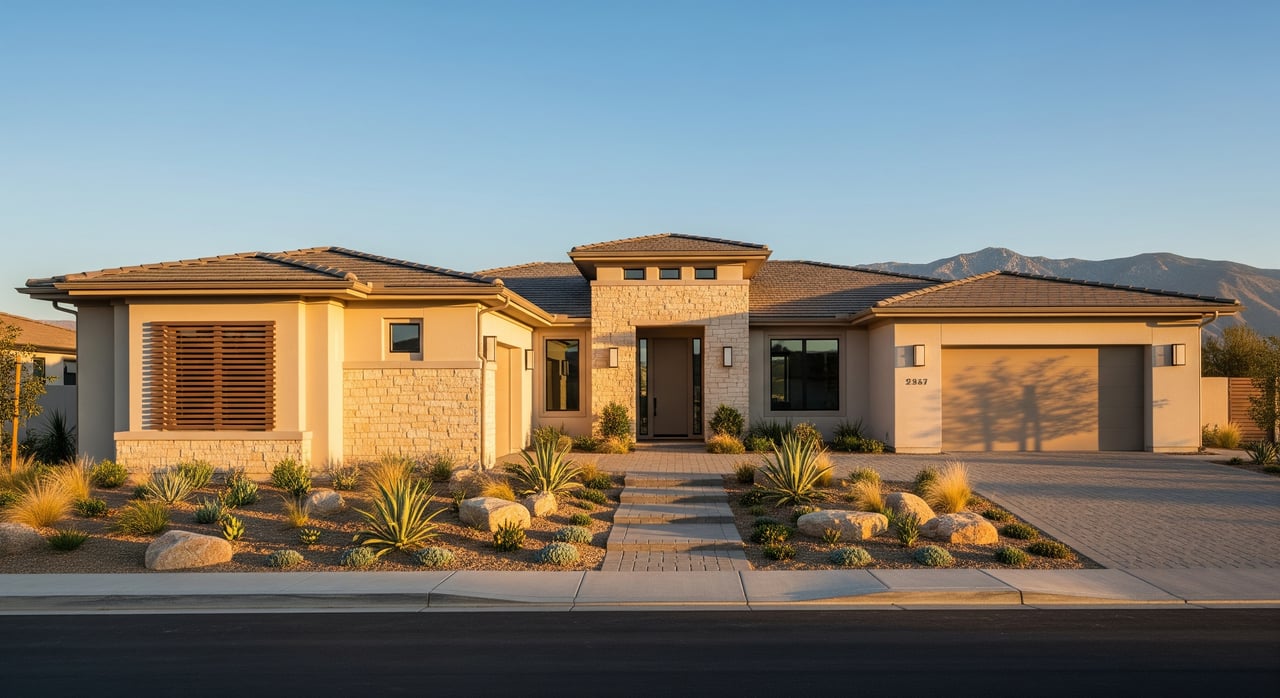
Thinking about a brand‑new home in Silverwood but not sure where to start? You’re not alone. New construction has its own timeline, rules, and decisions that feel different from buying a resale home. In this guide, you’ll learn what to expect step by step in Hesperia’s Silverwood area, from lot selection and design choices to inspections, warranties, and closing. Let’s dive in.
The big picture in Silverwood
Buying new in the Silverwood area starts with city or county permits, a builder contract, and a construction schedule that moves through clear phases before you receive a Certificate of Occupancy. In California, new homes also follow Title 24 energy standards, which means a higher baseline of efficiency and, in most cases, rooftop solar on single‑family homes. You’ll confirm utilities, HOA or special assessments, and warranty terms early, then track progress through framing, rough‑ins, finishes, and final inspections.
Start with pre‑approval and research
Get pre‑approved so you know your budget before you tour models. Builders often offer incentives with a preferred lender, but it’s smart to compare rates and terms. As you research, request the community’s governing documents and any special tax disclosures. Ask for the builder’s standard features list so you know what the base price includes.
- Confirm who serves electricity, gas, water, and sewer for the lot.
- Ask whether the parcel connects to city water and sewer or requires septic.
- Request HOA dues and any Community Facilities District (CFD or Mello‑Roos) estimates.
Choose your plan and lot
When you visit models, you’ll pick a floor plan and a lot. Some builders allow a short, refundable reservation deposit to hold a lot while you review documents. Lot premiums can apply, especially for views, cul‑de‑sacs, or larger yards. Before you commit, ask for a sample purchase agreement and review key terms with your agent or an attorney.
Understand contracts and deposits
Your purchase agreement will outline the base price, lot premium, included features, option allowances, and a deposit schedule. Make sure you understand when each deposit becomes non‑refundable, what happens if there are delays, and whether there is an arbitration clause. Review warranty terms, estimated completion date, and any cancellation language before you sign.
Design center decisions and deadlines
Within the first few weeks, you’ll meet at the design center to select finishes and optional upgrades. Builders set deadlines tied to construction stages. After a cutoff, changes become change orders that can add cost and time.
- Prioritize must‑have upgrades versus nice‑to‑haves.
- Get itemized prices and verify any allowance amounts in writing.
- Confirm how upgrades are financed and if lender incentives depend on a specific lender.
Missed selection deadlines or structural changes may trigger plan revisions or re‑inspections. That can impact your timeline, so keep communication prompt and choices decisive.
What to expect during construction
Construction follows a predictable sequence:
- Site prep and utilities: staking, grading, and trenching for utilities.
- Foundation: excavation, rebar, formwork, and concrete pour after inspections.
- Framing: floors, walls, and roof, followed by a framing inspection.
- Rough‑ins: plumbing, electrical, and HVAC installed and inspected.
- Insulation and drywall: insulation inspection, then drywall installed and finished.
- Exterior finishes: windows, roofing, and exterior cladding completed.
- Interior finishes: cabinets, counters, flooring, paint, fixtures, and appliances.
- Final checks: mechanical balancing, testing, and builder quality control.
- Walkthroughs and punch list: issues are documented and corrected before close.
Required inspections and smart add‑ons
The city or county inspects key stages, including foundation, framing, rough plumbing and electrical, insulation, and final building. You must have a Certificate of Occupancy before move‑in. Even though the home is new, consider independent inspections at milestones to protect your investment.
Recommended third‑party checkpoints:
- Pre‑foundation review to confirm rebar, vapor barrier, and under‑slab plumbing.
- Framing and rough‑in walks to review structure, mechanicals, and safety details.
- Insulation check to verify R‑values and air sealing.
- Final independent inspection and a termite or wood‑destroying pest report.
Collect copies of permit cards, inspection sign‑offs, and energy compliance documents at closing. If your home includes solar, request system specifications, ownership or lease details, interconnection approval, and warranty information.
Local rules that impact your home
California Title 24 and CALGreen standards drive energy and water efficiency. Most new single‑family homes must include rooftop solar or be solar‑ready. Many jurisdictions also require EV‑readiness for a future charger. In and around Hesperia, check Fire Hazard Severity Zone maps. If a lot sits in a higher hazard area, materials and defensible‑space needs may differ, which can affect options and costs.
Utilities and services checklist
- Electricity: Southern California Edison serves most local new homes.
- Gas: SoCalGas provides service in many areas.
- Water and sewer: Confirm whether the City of Hesperia Water Division or another district serves your lot. Some fringe parcels may use septic.
- Trash and streets: Services may be managed by the city, contracted providers, or governed by the HOA.
Costs beyond the base price
Your monthly payment can be influenced by more than your mortgage. Ask for clear disclosures on every recurring cost.
- HOA dues and what they cover.
- CFD or Mello‑Roos assessments on the tax bill.
- Utility setup fees and solar program terms if applicable.
- Landscape completion and fencing, if not included.
Comparing builders in Silverwood
Use this quick checklist to evaluate options side by side:
- Standard features: HVAC efficiency, windows, flooring, appliances, garage opener.
- Energy features: solar included or solar‑ready, insulation R‑values, smart thermostat.
- Exterior scope: front and rear landscaping, fencing, driveway and sidewalks.
- Timeline transparency: typical build time and communication on delays.
- Warranty structure: workmanship, systems, and structural coverage terms.
- Change‑order policy: cutoff dates, itemized pricing, and turnaround times.
- Pricing clarity: base price, lot premium, allowances, and how overages are billed.
- Financing: incentives for preferred lenders and your flexibility to choose.
- HOA and assessments: current dues and any special fees.
- After‑sale support: warranty contacts and average repair response time.
Timeline snapshots
Every build is unique, but here are common ranges so you can plan:
- Spec or inventory homes: move in within days to about 3 months.
- Production homes with lot selection: about 4 to 12 months.
- Semi‑custom or custom on a raw lot: roughly 9 to 18 months or more.
Weather, supply chain issues, labor availability, permitting, and change orders can add time. Set expectations early and ask for regular status updates.
Financing and escrow basics
Your lender processes the loan during construction. For spec homes, the closing feels similar to a resale. For homes still under construction, the lender may order staged appraisals. Escrow opens after contract, title is reviewed, and you track deposits per the schedule. You can request your own title or escrow provider, though many builders recommend a preferred company.
What happens at walkthroughs and closing
Most builders offer two walkthroughs. The first is a pre‑punch where you note items to fix. The second is a final confirmation that items were addressed. After all final inspections pass and the Certificate of Occupancy is issued, you sign final documents, recording occurs, and you receive keys.
Bring a simple checklist to the walkthrough:
- Test lights, outlets, HVAC, and appliances.
- Run water at all fixtures and check for leaks.
- Inspect doors, windows, and locks for smooth operation.
- Review paint, flooring, cabinets, and counters for finish quality.
- Confirm any agreed repairs are complete.
After you move in: warranties and service
Builders provide written warranties that often follow a 1‑year workmanship, 2‑year systems, and 10‑year structural model. Keep the service contact handy and report issues in writing. Many builders schedule an 11‑month check so punch list items are handled before shorter‑term coverage ends. Save all documents in one folder so service is straightforward.
Smart preparation checklist
- Get pre‑approved and compare lender options and incentives.
- Request the community’s HOA and CFP/Mello‑Roos disclosures.
- Ask for the standard features list, options catalog, and sample contract.
- Plan design selections before deadlines to avoid change‑order delays.
- Hire an independent inspector for key milestones and a final inspection.
- Confirm utilities, solar ownership or lease terms, and EV‑readiness.
- Verify warranty documents and dispute resolution procedures.
Ready to explore Silverwood?
If you want a clear, side‑by‑side view of floor plans, lot premiums, incentives, and resale comparables around Silverwood, you do not have to figure it out alone. Reach out to schedule a friendly, no‑pressure consult. We’ll walk you through builders, timelines, and smart budget choices so you feel confident from contract to keys.
Schedule a consultation with Silverwood New Homes to get started.
FAQs
How long does new construction in Silverwood usually take?
- Spec homes can close in days to about 3 months, while production homes with a selected lot commonly take 4 to 12 months and semi‑custom builds can run 9 to 18 months or more.
What inspections happen on a new Hesperia home?
- The city or county inspects foundation, framing, rough‑ins, insulation, and final building, and many buyers also hire independent inspectors at pre‑pour, framing, rough‑in, insulation, and final stages.
What is included in the base price versus upgrades?
- The base price covers the builder’s standard features list, while finishes and structural options beyond that list are upgrades that may use allowances or add costs through change orders.
Do new California homes require solar panels?
- Most new single‑family homes in California must include rooftop solar or be solar‑ready under Title 24; confirm whether the system is owned or leased and review capacity and warranties.
What are CFD or Mello‑Roos taxes in new communities?
- Community Facilities District assessments fund infrastructure and appear on your property tax bill, so ask for written estimates because they affect your monthly carrying costs.
Should I still get an independent inspection on new construction?
- Yes, independent inspections can catch issues not covered in the builder’s process and help document items for the punch list and warranty service.