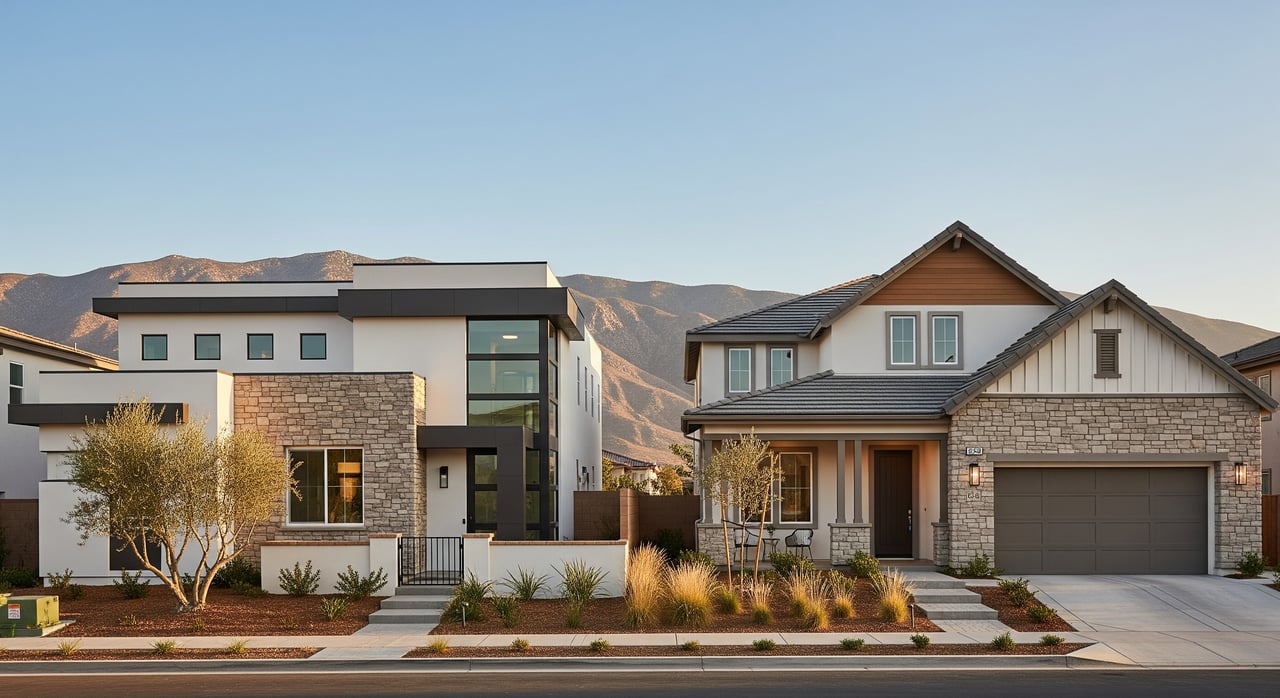
You have your eye on Silverwood in Hesperia, but comparing builders, plans, and incentives can feel like a maze. You want the right fit for your household, not just a pretty model home or a limited-time promotion. This guide gives you a clear, side-by-side framework to compare floorplans, features, lot types, timelines, and incentives so you can choose with confidence. Let’s dive in.
What to compare among builders
Floorplans and flow
Start with daily life. Note the number of floorplans each builder offers, plus square footage, bedroom and bathroom counts. Look at single-story versus two-story options and which lots each plan fits. Pay attention to flow elements like downstairs versus upstairs primary bedrooms, bedroom separation, laundry location, and whether there are lofts, flex rooms, or mudrooms. If you work from home or host guests, flag plans with bonus rooms, casita options, or ADU-ready layouts.
Included features vs upgrades
Ask what is standard at the base price. Compare cabinets, countertops, flooring, windows, HVAC efficiency, water heaters, and appliances. Review energy features like solar (standard, optional, or solar-ready), HERS targets, and whether there are heat pumps or gas furnaces. Clarify smart home items such as thermostats, doorbells, and EV charger prewire. A higher-content base can reduce your design center spend, while light base packages can push your final price higher.
Lot types and premiums
Identify which builder controls which lots and how premiums work. Premiums may apply to corner lots, larger estate lots, cul-de-sacs, and view lots. Some builders hold prime view lots as models early on. Decide if views or yard size matter more than interior upgrades, since premium lots can trade off against included features.
Options for common needs
Confirm whether RV or toy parking is allowed under CC&Rs, and if wide driveways or RV gates are available. If you need guest space, look for casitas, attached suites, or ADU-ready utilities, and confirm any rental limits in the CC&Rs. For multigenerational living, prioritize plans with downstairs suites or dual primary options, plus second kitchen or wet-bar packages if offered. If aging in place is a priority, ask about wider doorways and zero-step showers as standard or upgrade.
Construction quality and warranty
Ask about the builder’s structural warranty provider and timeframes. Request the service process in writing, including how to submit repair requests and response expectations. Ask if third-party inspections are allowed at pre-drywall and final. Review reputation signals such as local feedback and service responsiveness, and note any recurring punch-list themes.
Sales timeline and occupancy
Compare build times for spec homes versus to-order builds. Ask when models release to the public and typical close windows by phase. Track how fast lots have moved in earlier phases so you can time your reservation and design choices.
Decode incentives smartly
Common incentives in California new-home sales
Builders often advertise interest rate buydowns, closing cost contributions, design center credits, and lender or title incentives tied to preferred vendors. You may also see lot premium discounts, one-time seller credits, price reductions, and occasional promotions for quick closes.
Tradeoffs to consider
- Stackability: Some incentives cannot be combined.
- Lender ties: Using a preferred lender can unlock credits but may limit rate shopping flexibility.
- Appraisal risk: Credits or buydowns that do not adjust the contract price can complicate appraisals.
- Timelines: Promotions can change by phase and expiration date.
- Net value: A big design credit may not increase appraised value, so watch your total build-out budget.
Questions to ask before you sign
- Which incentives are written into the purchase agreement and not just marketing?
- Are incentives contingent on the preferred lender, title, or insurance provider?
- Are any credits tied to a close-by date or structured as a rebate or buydown?
- How will incentives reflect on the recorded sale price for comps?
Match your household to builder options
Growing family
Prioritize 3-plus bedrooms, a plan with separation between sleeping and play spaces, and a convenient laundry location. Look for lots with usable yards and streets with practical traffic patterns. Watch for models that require heavy upgrades to reach your desired bedroom count or storage.
Multigenerational households
Focus on plans with a downstairs suite, casita, or ADU-ready setup and privacy between living areas. Ask about second kitchen or kitchenette options if offered. Confirm CC&R allowances for ADUs or guest suites.
RV and outdoor toy owners
Seek builders and lots that support wider side yards, optional RV gates, or oversized garages. Verify HOA and CC&R rules for on-site RV or toy parking. Clarify any easements that limit drive or gate placement.
Single-story seekers and empty nesters
Target builders with a higher share of single-story plans and low-maintenance yard options. Ask about proximity to community amenities and trail connections. Confirm if landscape maintenance is handled by the HOA in any sub-neighborhoods.
Investors and resale-minded buyers
Look for plans with broad market appeal and included finishes that meet typical buyer expectations. Review HOA rules for rental restrictions and budget for reserves. Use recent area comps to gauge likely resale paths and avoid over-customizing.
Verify details before you commit
Documents and rules to collect
- CC&Rs, HOA bylaws, and landscape responsibilities
- Lot map and final plat with exact dimensions, easements, and setbacks
- Elevations and finish schedule showing what is included on your specific lot and plan
- Purchase contract plus exhibits that lock in all incentives and credits
- Warranty documents and structural warranty provider details
Inspections and construction checkpoints
- Preliminary soils or geotechnical reports and grading plan for drainage and foundation context
- Permission and scheduling for independent pre-drywall and final inspections
- Termite and slab protection information
Financial clarity before contract
- A net price worksheet with base price, upgrades, lot premiums, incentives, and maximum closing costs
- Lender comparisons if using a preferred lender versus independent options
- Appraisal approach and comps used for the community and nearby Hesperia sales
After closing and HOA planning
- HOA start date, dues, reserve funding, and projected increases
- Utility responsibilities, including irrigation and metering
- Local school district assignments and any projected enrollment considerations
Use this comparison worksheet
| Field | Builder A | Builder B | Builder C |
|---|---|---|---|
| Base price range | |||
| Square footage range | |||
| Bed/Bath range | |||
| % single-story vs two-story | |||
| Lot types served (interior/corner/estate/view) | |||
| Garage type (2, 3, tandem, RV) | |||
| Notable options (casita, ADU, solar standard) | |||
| Included appliances/HVAC standard | |||
| Design center allowance | |||
| Warranty provider/timeframe | |||
| Typical incentives | |||
| Average build time (spec vs to-order) | |||
| HOA fee range (by sub-neighborhood) |
Tip: Bring this worksheet to each model tour so you record the same fields every time.
Plan vs lot: choose what matters most
- Best floorplan versus best lot: the ideal plan may not fit the premium view lot you want. Decide which drives your daily satisfaction.
- Upgrades versus base price: a lower base can look attractive until design selections stack up. Set an upgrade budget early.
- Early versus later phases: early buyers get more lot choice and customization, while later buyers often see stronger incentives but fewer choices.
- Warranty and service: prioritize a reliable service experience, not just a small price difference.
- HOA limits: rules can affect RV parking, ADUs, and rental options. Confirm before you fall in love with a plan.
Model home tour checklist
- Which lots are available for this plan, and what are the lot premiums by location and size?
- What is included in the base price for cabinets, counters, flooring, windows, HVAC, and appliances?
- Are solar and key energy features standard, optional, or solar-ready?
- Which incentives are guaranteed in writing, and are they contingent on using a preferred lender or title?
- Can you schedule independent inspections at pre-drywall and final?
- Are RV gates, ADUs, or casitas allowed by CC&Rs on this specific lot?
- Can I see recent nearby comparable sales used for appraisals?
Get local help you can trust
You do not have to navigate multi-builder choices, lot premiums, and incentives alone. If you want an independent guide who knows Silverwood’s phases, lot maps, and builder practices, we are ready to help you compare options side by side. Reach out to schedule a strategy session with Silverwood New Homes and move forward with clarity.
FAQs
What should I verify about Silverwood’s HOA and CC&Rs?
- Ask for CC&Rs and HOA bylaws to confirm landscape responsibilities, RV or toy parking rules, ADU and rental policies, and any exterior modification limits.
How do builder incentives typically work in Hesperia new-home communities?
- Incentives often include rate buydowns, closing cost credits, design center allowances, and lot premium discounts, sometimes contingent on using a preferred lender or closing by a set date.
Do Silverwood builders allow RV parking or gates?
- Some products may offer wider drives or optional gates, but always confirm CC&R rules, easements, and lot-specific allowances before you commit.
What inspections can I do on a new construction home?
- Many builders allow third-party inspections at pre-drywall and final; request approval and schedule windows in advance and keep written records.
How long does new-home construction usually take?
- Timelines vary by plan and whether you buy a spec or to-order home; ask each builder for typical build times and model occupancy schedules in the current phase.
What matters more: the floorplan or the lot?
- It depends on your lifestyle; weigh daily livability and plan flow against yard size, views, and premiums, then set a clear priority before selecting.