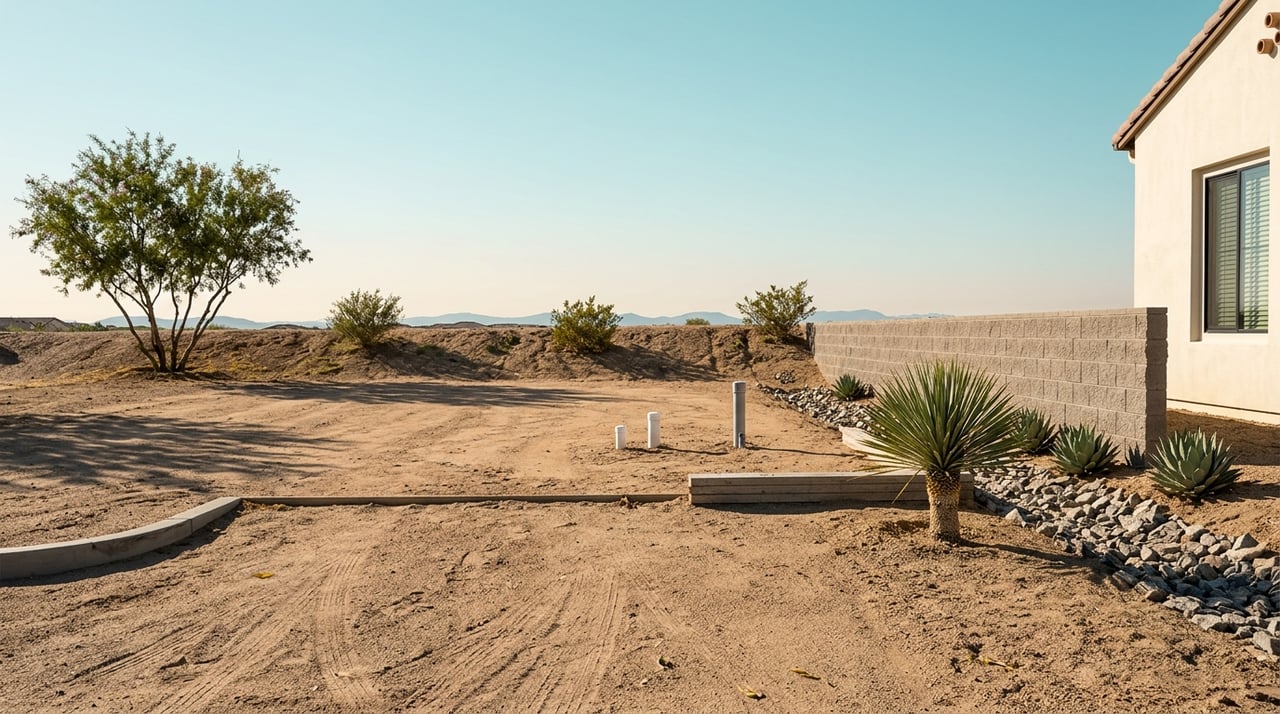
A great view can make a lot in Apple Valley feel special from the moment you step onto it. But when you are buying land, a beautiful outlook is only part of the story. You also need to know whether that view is likely to last, what it may cost to build around it, and how utilities and permits can affect your budget. If you are considering a view lot in Apple Valley, this guide will help you look past the marketing and focus on what really matters. Let’s dive in.
Why view lots stand out in Apple Valley
Apple Valley’s setting is a big reason view lots get so much attention. The town sits in San Bernardino County’s High Desert at about 3,000 feet, and the community profile highlights clear blue skies, roughly 350 days of sunshine, and larger homes and half-acre minimum lots in some areas. Those features help create the wide desert and mountain sightlines many buyers want most when they shop for land.
According to the Town of Apple Valley community profile, that open-sky setting is part of the area’s appeal. Still, not every parcel offers the same experience. Two lots can be close together and have very different views depending on elevation, slope, and what may eventually be built nearby.
Check what the view actually overlooks
A strong view lot usually offers more than a nice first impression. Before you make an offer, ask what the lot looks over today and what it could look over later. A parcel facing open desert, a wash, or terrain that is harder to develop may offer a more stable outlook than one that simply looks across another buildable lot.
Apple Valley’s topography generally rises from southwest to northeast, from about 2,800 feet near the Mojave River to about 3,200 feet on the town floor in the northeast, with Bell Mountain and Fairview Mountain nearby. Based on the town’s terrain and planning materials, elevation and lot orientation can play a major role in whether your future home feels open and expansive or more enclosed.
The town’s planning materials also point to the value of night-sky views. Policies related to lighting and visual resources suggest that dark-sky conditions are part of the local character, which can add to the appeal of certain view parcels. In practical terms, a lot with both daytime mountain or desert views and strong night-sky visibility may hold broader long-term appeal.
Verify whether the view is protected
One of the biggest mistakes buyers make is assuming a view is permanent just because it is open today. In reality, a neighboring parcel may be vacant now and still be fully buildable later. That can change both your daily enjoyment and future resale value.
Before moving forward, confirm the parcel’s APN, review the recorded tract map, and ask how setbacks and easements affect the site. The Apple Valley Planning Division FAQ notes that setbacks are unique to every lot, easements appear on recorded tract maps and title documents, and when a setback and easement conflict, the more restrictive rule controls.
That matters because even if a lot looks ideal on paper, the buildable area may not line up with the best view corridor. A utility easement or setback restriction can reduce where you can place the home, driveway, or outdoor living spaces. If you are paying a premium for scenery, you want to know that the usable design options still support it.
Understand the buildable envelope
A view lot is not only about what you can see. It is also about what you can build. The shape of the lot, the width of the usable pad, driveway placement, and the location of easements all affect how well a future home can take advantage of the setting.
For example, a narrow buildable area might force a home into a layout that does not fully capture the view from the main living spaces. Or a driveway requirement could take up the best side of the lot. In those cases, the lot may still be scenic, but the real value to you may be lower than the listing suggests.
Apple Valley also offers tools and guidance that can help early in the process. The town provides a zoning lookup tool and a Development Advisory Board for preconstruction guidance through its planning resources. If you are serious about a specific parcel, getting clarity before closing can save you time and money later.
Budget for grading and retaining walls
In Apple Valley, slope can be both a benefit and a cost. A gently elevated lot may deliver better sightlines, but more elevation can also mean more site work. That is why grading should be part of your budget conversation from the start.
The town requires a grading permit for all grading unless the work is specifically excluded. According to the Town of Apple Valley grading permit information, grading over 5,000 cubic yards or grading that supports a structure is treated as engineered grading, and retaining walls over 3 feet high require a permit.
For a buyer, that means a sloped lot may come with added engineering, earthwork, and wall costs before vertical construction even begins. A lot that looks like a bargain compared with flatter parcels may not stay a bargain once those costs are added in. It is smart to compare total project cost, not just lot price.
Confirm utilities before you close
Utility availability can have a major effect on the real cost of a view lot. Scenic parcels are sometimes farther from existing infrastructure, so the lot with the best outlook may not be the simplest or least expensive one to build.
For new construction, Apple Valley requires building permits before construction begins, and the town’s Permit Center allows plan checks and permits to be submitted online through the building permits page. The town also issues sewer connection permits for existing buildings and new construction, with contractor selection and inspection required before final approval.
Water service should also be confirmed by APN before closing. The California Public Utilities Commission identifies Liberty Utilities as the Class A water utility for Apple Valley Ranchos customers, and Liberty’s Apple Valley water service request page says a deposit or letter of credit is required to establish service. The town’s utility help references Golden State Water as well, which is why it is important to verify the exact provider for the specific parcel rather than assuming all lots are served the same way.
If sewer is not available, San Bernardino County says the builder must install an onsite wastewater treatment system, also called a septic system, through its waste and OWTS program guidance. That can affect site planning, budget, and timing.
Utility checklist for buyers
- Confirm the water provider for the specific APN
- Ask about deposits, meter location, and service setup requirements
- Verify whether sewer is available or if septic will be required
- Ask whether utility runs will need added permits or engineering
- Include utility connection costs in your overall land budget
Think about value beyond the purchase price
There is no single Apple Valley chart that tells you exactly how much more a view lot is worth. A safer approach is to treat any premium as highly site-specific. The key question is not just whether a lot has a view, but how unique, usable, and durable that view is.
A peer-reviewed Appraisal Institute article on scenic view premiums summarizes prior research showing that view premiums can vary widely. It cites findings such as an 8 percent premium for a good view in one classic study, premiums starting around 20 percent in some park-adjacent settings, and a 2023 case study where view premiums ranged from 8.1 percent to 10.9 percent in one period before rising more sharply after a new amenity changed the setting.
For Apple Valley, the strongest resale appeal is likely to come from lots where the view is supported by topography, open space, or planning limits that help preserve the visual experience. On the other hand, a premium may weaken if the view is mainly tied to a nearby parcel that could later be developed. This is why your evaluation should include both current beauty and future risk.
Compare total project cost, not just lot price
When buyers focus only on purchase price, they can miss the bigger picture. A lower-priced lot with major grading, retaining wall, septic, or utility extension costs may end up costing more than a higher-priced parcel with easier building conditions.
As you compare options, look at the full package:
- Lot purchase price
- Buildable envelope and home placement flexibility
- Grading and retaining wall needs
- Water and sewer or septic requirements
- Permit and engineering costs
- How stable the view appears over time
This kind of side-by-side review helps you make a more confident decision. It also gives you a better sense of long-term resale potential if you ever decide to sell.
A smart approach to buying a view lot
In Apple Valley, the best view-lot purchases usually balance three things well: stable sightlines, clear utility availability, and manageable site work. When those pieces come together, the premium for the lot can make sense both for your enjoyment and for future resale. When one or more of those pieces are weak, the lot may look better in marketing photos than it does on a full cost review.
If you want help comparing land opportunities in Apple Valley or understanding how a scenic parcel fits into your total build plan, Silverwood New Homes offers local, practical guidance designed to help you move forward with clarity.
FAQs
What should you check before buying a view lot in Apple Valley?
- Confirm the APN, recorded tract map, setbacks, easements, utility availability, and whether the view looks over open land or another buildable parcel.
How do setbacks and easements affect an Apple Valley view lot?
- They can limit the buildable area and change where your home, driveway, or outdoor spaces can go, which may affect how well you can preserve the view.
Do sloped view lots in Apple Valley cost more to build on?
- Often, yes. Grading, engineered site work, and retaining walls can add meaningful costs, especially when the lot needs more preparation before construction.
How do you verify water and sewer service for an Apple Valley lot?
- Confirm the service details by APN, check the exact water provider, and verify whether sewer is available or if an onsite wastewater treatment system will be required.
Are view lots in Apple Valley always worth more?
- Not always. Value depends on how unique the view is, whether it is likely to remain open, and what it costs to build on the site.